
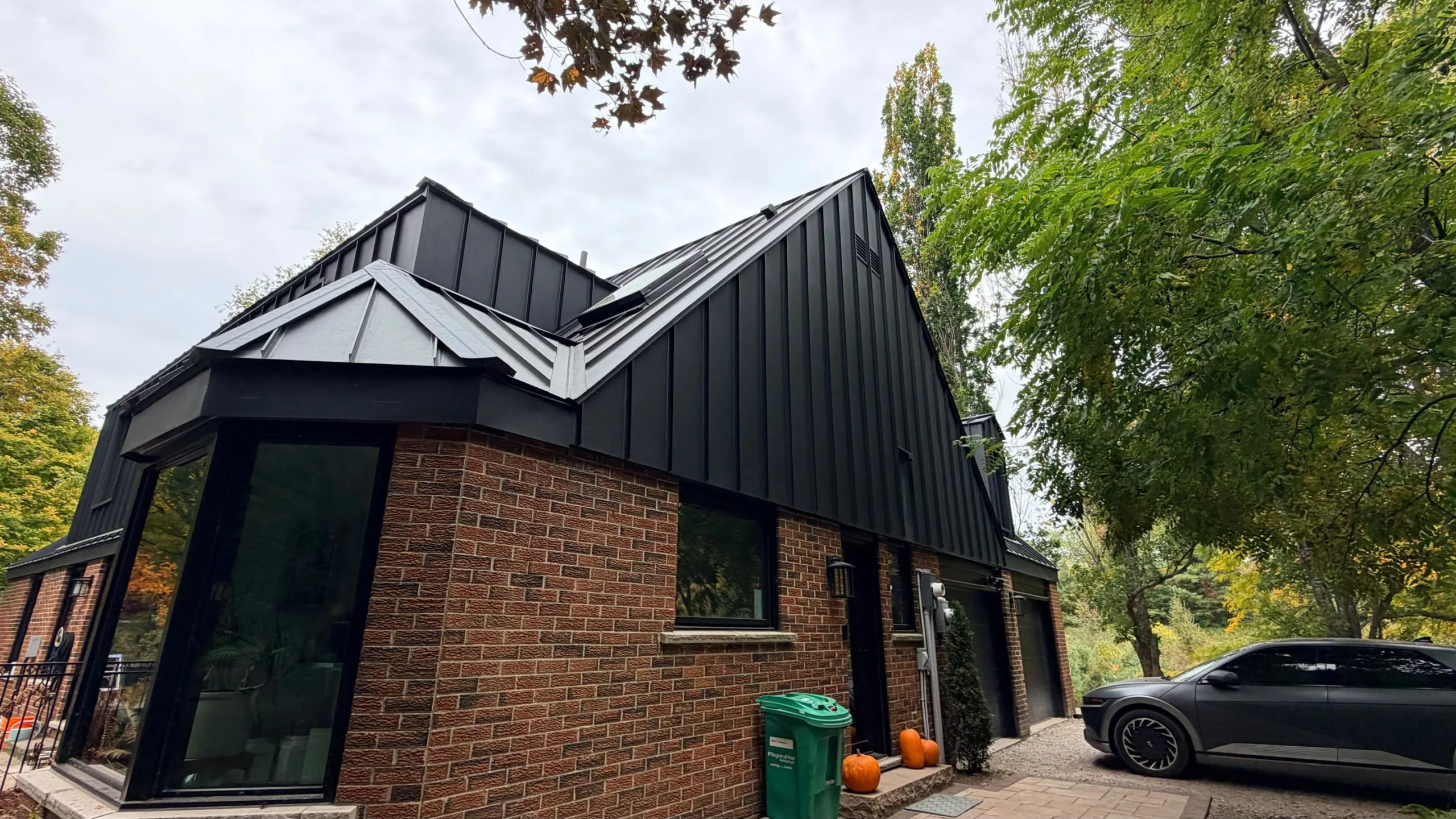

By Jay Carter, Jay Carter Roofing & Sheet Metal
Metal roofing installation costs vary according to multiple factors; therefore homeowners and commercial property managers must identify the drivers of these expenses. This report presents a detailed analysis of material and labor price ranges and examines how installation variables affect total cost. It addresses common questions concerning cost and return on investment and outlines practices for obtaining accurate estimates. The content includes key cost drivers, average price ranges, comparisons with other roofing systems, and guidance for contractor communication to secure optimal project outcomes.
Key Takeaways
The cost of metal roofing installation varies based on material type, labor rates, roof complexity, and local market conditions.
Aluminum is the most affordable metal roofing material, while copper significantly increases installation costs due to its premium quality.
Labor costs fluctuate by region, with the Greater Toronto Area averaging $7.00 to $12.00 per square foot for metal roof installation.
Residential metal roofing projects typically range from $9,000 to $16,000, reflecting material choice and roof design complexity.
Commercial metal roofing costs are higher due to larger roof sizes and more intricate installation requirements.
Metal roofs have higher upfront costs than asphalt but offer longer lifespan and reduced maintenance expenses.
Metal roofing provides long-term savings through energy efficiency, durability, and lower maintenance needs.
Accurate cost estimation requires personalized quotes and can be aided by metal roofing cost calculators.
Choosing a reputable contractor with certifications and warranties ensures quality installation and protects investment.
Key Factors Influencing Costs:
Several factors determine overall metal roofing installation cost. Understanding these elements supports accurate budgeting and more informed procurement decisions.
Material Choice: The type of metal used—such as aluminum, steel, or copper—can significantly influence costs. For example, aluminum tends to be more affordable, but copper can elevate the price dramatically due to its premium nature.
Labor Rates: Labor costs fluctuate based on geographic location and expertise. Higher rates are typically seen in urban areas or for highly skilled labor.
Roof Complexity: The design and pitch of the roof also affect installation costs. More intricate roofs require additional labor and material, which can elevate the overall price.
Local Market Conditions: Supply and demand dynamics within your local market can have a pronounced impact on material prices and the availability of skilled labor.
Installation Method: Different installation techniques may incur varying costs. For example, standing seam roofs often require specialized labor, contributing to higher installation prices.
Average Price Ranges:
Understanding average price ranges for metal roofing supports realistic project budgeting. Professional installation typically includes workmanship standards and warranty provisions that mitigate long-term risk; while do-it-yourself approaches reduce initial outlay, they may increase lifecycle cost exposure. For reliable assistance, exploring options from **jaycarterroofing.com** can provide verified services and documented guarantees.
These price ranges represent typical residential expectations and assist homeowners in project budgeting.
Regional variation affects costs. In the Greater Toronto Area, installation typically ranges from $7.00 to $12.00 per square foot, depending on material selection and finish requirements.
What Are the Key Factors Influencing Metal Roof Installation Cost?
Assessment of metal roofing installation cost requires evaluation of multiple components, each influencing the final price.
How Do Metal Roofing Materials Affect Pricing?
Material selection significantly affects installation budgets. Aluminum typically represents the lower-cost option, while copper increases project cost due to higher material and installation expenses.
What Is the Impact of Labor and Regional Variability on Installation Costs?
Labor constitutes a significant component of total installation expense. In the Greater Toronto Area, labor rates commonly range from $7.00 to $12.00 per square foot, reflecting regional demand for skilled installers. Labor and material prices vary with local economic conditions. Engaging experienced contractors reduces risk; services such as jaycarterroofing.com offer professional installation.
How Much Does Metal Roof Installation Cost Per Square Foot in the Greater Toronto Area?
In the Greater Toronto Area, average installation costs for metal roofing range from $7.00 to $12.00 per square foot, contingent on material, installation complexity, and local labor rates.
What Are Average Metal Roofing Prices for Residential Properties?
Residential metal roofing projects typically cost between $9,000 and $16,000. Due to durability and improved energy performance, these installations can yield long-term cost advantages that may offset the initial expenditure. Consultation with an established provider is recommended to achieve specified performance and longevity.
How Do Commercial Metal Roofing Costs Compare?
Commercial metal roofing costs differ primarily due to larger roof areas and more complex installation requirements. Commercial projects generally incur higher upfront expenditures; pricing considerations may include bulk material procurement and contractual labor arrangements.
How Can You Compare Metal Roofing Costs with Other Roofing Types?
Compared with conventional roofing, such as asphalt shingles, metal roofing exhibits higher initial cost but frequently delivers superior long-term durability and lifecycle savings.
What Are the Cost Differences Between Metal and Asphalt Roofing?
Initial metal roof costs exceed those of asphalt shingles; installation may be $7.00 to $12.00 higher per square foot. Metal roofs typically provide service lives of 40 to 70 years versus 15 to 30 years for asphalt, which is a primary factor in lifecycle cost comparisons.
How Does Metal Roofing Offer Long-Term Savings and ROI?
Metal roofing can provide lifecycle savings through energy reflectivity and extended service life. Solar heat reflectance may reduce cooling energy use. Reduced maintenance and longer replacement intervals contribute to positive return on investment. Professional installation by accredited providers further supports expected performance.
What Tools and Methods Are Available to Estimate Metal Roofing Installation Costs?
Accurate cost estimation is essential for effective budgeting. Available tools and methods enable assessment of projected expenses.
How Does a Metal Roofing Cost Calculator Enhance Price Transparency?
Cost calculators generate estimates based on inputs such as roof area, material selection, and local labor rates, producing itemized projections that improve price transparency.
Why Is Obtaining Personalized Quotes Important for Accuracy?
Personalized quotes are essential to account for site-specific conditions, local market dynamics, and project scope that general calculators may not capture. Engaging experienced contractors yields more accurate assessments.
What Is the Typical Process and Timeline for Metal Roof Installation?
Metal roof installation proceeds through defined stages, each affecting project duration and cost.
How Do Installation Steps Influence Overall Cost?
Preparatory work—such as removal of existing roofing and structural repairs—can materially increase initial costs. Specialized components, including insulation and underlayment, also add to the budget.
What Are Expected Project Durations for Residential and Commercial Installations?
Residential metal roof installations commonly complete within 6 to 12 weeks. Smaller structures require less time; larger or multi-layer projects extend the schedule, particularly when additional features are included.
Where Can You Find Reliable Metal Roof Installation Services Near Me with Competitive Pricing?
Selecting a reputable roofing contractor is critical. Prefer firms with demonstrable metal roofing experience, as contractor competence materially influences project quality and cost efficiency.
What Should You Look For in a Trusted Metal Roofing Contractor?

Evaluate contractors based on documented project portfolios, verified client references, and applicable certifications. Reputable firms provide warranties covering labor and materials, which protect the investment. Contractor selection is as determinative of installation durability as material choice.
How Can You Request and Compare Quotes Efficiently?
Obtain multiple bids and compare scope, material specifications, and timelines. Detailed evaluation of each estimate enables an informed selection aligned with financial and operational requirements. Jay Carter Roofing supplies itemized quotes to assist client comparison.
Frequently Asked Questions
1. What are the advantages of choosing metal roofing over traditional materials?
Metal roofing offers multiple advantages relative to traditional materials such as asphalt shingles. It exhibits durability with service lives that can exceed 50 years versus 15 to 30 years for asphalt. Metal systems provide energy efficiency through solar reflectance and demonstrate greater resistance to wind, fire, and biological degradation, which reduces maintenance frequency and lifecycle repair costs.
2. How do climate and weather conditions impact metal roofing installation costs?
Climate and weather conditions influence installation requirements and cost. In regions subject to heavy snowfall, high winds, or extreme heat, contractors may specify enhanced insulation, reinforced components, or upgraded fasteners, which increase costs. Seasonal demand also affects labor availability and material pricing.
3. What maintenance is required for metal roofs?
Metal roofs require relatively low maintenance but warrant scheduled inspections, particularly after severe weather, to identify damage or debris accumulation. Routine tasks include gutter cleaning and drainage verification. Periodic repainting may be necessary to maintain protective coatings on painted or exposed metal surfaces.
4. Can metal roofs be installed over existing roofs?
In many cases, metal roofs may be installed over existing roofing in a retrofit, which can reduce labor and construction waste. The existing roof must be assessed for structural adequacy to support the new system, and compliance with local building codes is required.
5. What is the weight difference between metal roofs and traditional roofs?
Metal roofing typically weighs 50 to 150 pounds per 100 square feet, whereas asphalt shingles commonly weigh approximately 250 to 350 pounds per 100 square feet. The lower mass facilitates handling and may reduce structural support requirements, potentially lowering project costs.
6. Are there any environmental benefits to using metal roofing?
Metal roofing provides environmental benefits: many products contain recycled content and are recyclable at end of life, which reduces landfill impact. High solar reflectance can reduce cooling energy demand, and extended service life lowers replacement frequency and material consumption, supporting sustainable construction practices.
7. How can I determine the best metal roofing style for my home?
Selection of a metal roofing style depends on architectural compatibility, local regulations, and performance objectives. Options include standing seam panels and metal shingles; evaluate color, finish, and profile for aesthetic and climatic suitability. Consultation with a qualified contractor provides recommendations tailored to project requirements.
Additional Frequently Asked Questions
Is DIY metal roof installation actually cheaper than hiring a professional contractor?
A do-it-yourself approach reduces the initial outlay by eliminating labor fees, but it typically increases lifecycle cost exposure over the life of the roof. Professional installation includes documented workmanship standards and warranty provisions covering labor and materials, which mitigate long-term risk such as leaks or premature wear. Reputable contractors also carry the experience needed to address roof complexity and installation method correctly the first time. For most residential and commercial projects, the short-term savings of a DIY installation are generally offset by higher repair and replacement costs later, making professional installation the more cost-effective choice overall.
What warranty protections should come with a professional metal roofing installation?
A reputable metal roofing contractor provides warranties covering both labor and materials, protecting the investment against installation defects and premature material failure. Because contractor competence is as determinative of installation durability as material choice itself, verifying documented project portfolios, client references, and applicable certifications alongside warranty terms is essential before signing a contract. Warranty coverage should be reviewed as part of any itemized quote, alongside material specifications and project timelines, so buyers can compare offers on equal footing and select the option that best protects their long-term investment in the roof.
How much more does copper roofing cost than steel or aluminum panels?
Copper roofing typically costs between $20,000 and $40,000 for a residential installation, substantially more than steel shingles, which average $9,000 to $16,000, or aluminum panels, which range from $8,000 to $15,000. This premium reflects copper’s higher material cost and its long-lasting, distinctive aesthetic appeal compared with the durability and corrosion resistance offered by steel and aluminum. Homeowners weighing material choice should note that while aluminum remains the most affordable option, copper’s price increase is driven primarily by material quality, making it a premium choice for buyers who prioritize appearance and longevity over upfront cost.
Does the cost of a metal roof installation include removing and disposing of the old roof?
Preparatory work, including removal of existing roofing and any necessary structural repairs, is typically factored into the overall installation budget and can materially increase initial project costs. Specialized components such as insulation and underlayment installed during this preparatory phase add further expense. Because these steps vary by project, obtaining a personalized, itemized quote rather than relying on a general calculator helps ensure that tear-off, disposal, and any structural remediation are accounted for upfront, so confirming these inclusions with your contractor before work begins helps avoid unexpected charges once installation is underway.
Why do standing seam metal roofs cost more than other metal roofing installation methods?
Standing seam roofs often require specialized labor and more intricate installation techniques than other metal roofing methods, which contributes directly to higher overall installation prices. Because installation method is one of the key factors influencing total cost, alongside material choice, labor rates, and roof complexity, the added skill and time required for standing seam work translates into a larger labor component within the final quote. Property owners seeking this profile should expect a premium reflecting both its specialized installation requirements and its distinct aesthetic and performance characteristics compared with simpler panel or shingle systems.
Why might two metal roofing installation quotes for the same project differ significantly in price?
Quotes for the same project can vary considerably because installation cost depends on several interacting factors: material choice, labor rates, roof complexity, local market conditions, and installation method. One contractor may specify aluminum while another proposes steel or copper, or price labor differently based on regional demand for skilled installers, and local supply and demand dynamics also affect material pricing and labor availability. Because general calculators cannot capture every site-specific condition, obtaining personalized, itemized quotes from multiple experienced contractors remains the most reliable way to understand what is driving the price difference.
Conclusion
Understanding metal roofing installation costs is essential for budgeting and project planning. Consider material selection, labor rates, and roof complexity to inform decisions that support long-term value and cost containment. For project-specific guidance, consult experienced contractors. Review available resources for additional technical information on metal roofing solutions.


