

By Jay Carter, Jay Carter Roofing & Sheet Metal
Metal roofing has become a preferred choice for commercial properties, and the advantages are well established: superior longevity, stronger thermal performance, and resilience under demanding conditions. With energy costs climbing and businesses under pressure to build resilient, efficient facilities, more organisations are looking at metal roofing as a smart long-term investment. This guide walks through what makes the material stand out, the energy savings it delivers, and what the installation process actually involves, so facility owners and asset managers can plan with confidence.
Key Takeaways
- Metal roofing offers exceptional durability, lasting 40 to 70 years, significantly outlasting traditional asphalt shingles.
- These roofs provide superior weather resistance, withstanding high winds, heavy snow, and extreme temperatures effectively.
- Metal roofing requires minimal maintenance, mainly annual inspections and occasional cleaning, reducing long-term upkeep costs.
- Energy efficiency is enhanced by metal roofs reflecting radiant heat, lowering cooling costs by up to 25% in warm months.
- Although initial installation costs are higher, metal roofing delivers long-term savings through reduced maintenance and energy expenses.
- Metal roofs increase property resale value and may qualify for insurance premium discounts due to their durability and fire resistance.
- Common metal roofing materials include aluminum, steel, and Galvalume, each offering strong corrosion and weather resistance.
- The installation process involves preparation, framing adjustments, material laying, and finishing, typically completed within days to weeks.
- Warranties up to 50 years and service agreements help protect business investments by ensuring roof performance and longevity.
Durability

Metal roofing lasts far longer than conventional systems, typically 40 to 70 years, which means fewer capital replacement cycles and lower costs over the life of the asset. For asset managers and facility teams, that translates into a more resilient building and far less time spent managing recurring roof repairs.
Weather Resistance
Metal roofing is built to handle serious weather: high winds, heavy snow loads, and wide swings in temperature. Performance data show these systems can withstand wind gusts up to 140 miles per hour while keeping water out and preventing the deterioration that comes with it. Because most metal assemblies are non-combustible, they also offer stronger fire resistance than many organic roofing materials.
Longevity
Metal roofs outlast the alternatives, most of which need replacing every 15 to 20 years. Fewer replacements mean lower material and labour costs over time, and fewer disruptions to day-to-day operations from re-roofing projects.
Low Maintenance Requirements
Metal roofing asks very little of facility teams, usually just scheduled inspections and the occasional debris cleanup. That low-maintenance profile keeps operating costs down and makes upkeep far easier to plan for than with roofing systems that need frequent repair or replacement.
Energy Efficiency
Metal roofing can meaningfully improve a building’s energy performance, thanks to reflective surfaces and compatibility with insulation systems. Reflective finishes and insulated metal panels cut down on heat gain and strengthen the building envelope’s thermal resistance, which eases the load on mechanical cooling. A professional roof assessment is the best way to establish how a facility’s roof affects energy use.
Reflective metal finishes cut solar heat absorption directly, easing the load on HVAC systems when they’re working hardest. The result is lower energy use and more comfortable interior conditions, which can support productivity while trimming utility bills.
Cost Benefits
Understanding metal roof cost and ROI means looking well beyond the sticker price. Yes, installation costs more upfront than many traditional systems, but the savings add up over the roof’s lifetime through longer service life, lower maintenance, and reduced energy use. Taken together, these factors usually make metal roofing the better value over time.
Factors contributing to cost advantages include:
- Initial Investment vs. Long-term Savings: While metal roofing has a higher installation cost, the savings on maintenance and energy often outweigh these costs over time.
- Resale Value Increases: Properties equipped with metal roofs typically have resale values that are higher, making them attractive options for potential buyers or investors.
- Insurance Premium Discounts: Many insurance providers offer lower premiums for properties with metal roofing due to its durability and resistance to fire and severe weather conditions.
What Are the Key Durability Features of Commercial Metal Roofing?
Commercial metal roofing brings a clear set of performance advantages that extend its lifespan and help it stand up to environmental stress, making asset management more predictable and reducing risk over the life of the roof.
Weather Resistance
Metal roof systems are designed to limit damage from hail, snow, and driving rain, and their design sheds moisture rather than holding onto it, which helps prevent substrate deterioration. Comparative performance data consistently show metal roofing holding up better in extreme weather than many conventional roofing assemblies.
Longevity
A longer service life means real savings on replacement costs and gives facility owners room to plan budgets further out. Fewer major roof interventions also mean more predictable capital spending across a property portfolio.
Low Maintenance Requirements
Periodic inspections and routine maintenance are usually all it takes to keep a metal roof performing well, a welcome contrast to traditional systems that often need more frequent corrective work.
Durability Against Damage
Metal roofing does not give rot, mould, or pests the conditions they need to take hold, so it avoids the common failure modes that affect organic roofing substrates.
How Does Metal Roofing Compare to Traditional Roofing Materials in Longevity?
Metal roofing far outlasts typical asphalt shingle systems. With proper installation and routine maintenance, a metal roof commonly performs for 40 to 70 years, compared with 15 to 20 years for asphalt, a gap that adds up to significant savings over the life of the building.
Which Metal Roof Materials Offer the Best Resistance to Weather and Wear?
Several common metal roofing materials offer strong, dependable performance characteristics, including:
- Aluminum Roofing: Known for its lightweight and corrosion-resistant properties, aluminum roofing is ideal for seaside businesses where salt exposure is a concern.
- Steel Roofing: Often galvanized for added rust protection, steel provides strong, reliable coverage and is a popular choice for many commercial applications.
- Galvalume Roofing: A blend of steel and aluminum, Galvalume offers exceptional corrosion resistance and is particularly suitable for varied climates.
Each of these materials pairs structural strength with strong corrosion resistance, giving commercial properties reliable protection against the elements.
How Does Metal Roofing Enhance Energy Efficiency for Business Properties?

Metal roofing improves thermal performance through reflective coatings and insulated assemblies working together. Getting the installation right matters just as much as the material itself: an experienced contractor such as Jay Carter Roofing ensures tight joints, the right underlayment, and consistent thermal continuity, so the roof delivers the energy savings it is designed to provide.
What Are the Reflective Properties and Energy Savings of Metal Roofs?
Metal roofs reflect a high share of solar energy, which lowers cooling demand; studies point to potential reductions in cooling costs of up to 25% under the right climatic and building conditions. Over the life of the roof, those savings add up to lower operating costs and a smaller carbon footprint from mechanical cooling.
How Do Metal Roofing Systems Contribute to Environmental Sustainability?
Metal roofing supports sustainability goals in several ways: it lasts longer, needs replacing far less often, and is highly recyclable. Many metal roofing products already contain a high proportion of recycled content and are fully recyclable at the end of their service life, which keeps material out of landfills and reduces demand for virgin raw materials.
What Is the Typical Installation Process for Commercial Metal Roofing?
The metal roofing installation process takes real technical skill and a methodical approach to deliver the performance and durability the material is known for.
What Are the Step-by-Step Procedures and Timeframes Involved?
Metal roofing installation follows standard stages:
- Preparation: This includes an inspection of the existing roof and preparing the installation area.
- Frame Adjustments: Adjustments may be necessary to ensure the structure can support the metal roofing.
- Material Laying: Metal panels are secured using specific fasteners and underlayment, ensuring alignments are correct.
- Finishing Touches: Sealing edges, installing flashing, and conducting inspections finalize the installation process.
Most projects take anywhere from several days to a few weeks, depending on the size of the roof, the complexity of penetrations and details, and conditions on site.
Which Factors Affect Installation Duration and Quality?
How long an installation takes, and how well it turns out, depends on the size of the roof, the building’s architectural complexity, the weather during the installation window, and the installer’s skill. Together, these factors determine how tightly tolerances are held, how well seals hold up, and how the system performs for years to come.
How Do Maintenance Requirements Impact the Longevity of Metal Roofs?
Staying on top of maintenance, periodic inspections and prompt fixes for minor issues, is what keeps a metal roof performing as expected for the long haul. Catching small defects early keeps them from turning into major failures, and that keeps life-cycle costs predictable.
How Do Warranty Periods and Service Agreements Protect Business Investments?
Manufacturer warranties and service agreements give businesses real contractual protection against material defects and workmanship issues, often covering up to 50 years. Pairing that with a service agreement that includes scheduled inspections and maintenance helps ensure the roof performs the way it was designed to for its entire service life.
What Are the Costs and Return on Investment for Metal Roofing in Commercial Buildings?
Getting an accurate read on cost means looking at the initial capital outlay alongside projected maintenance costs, energy savings, and residual property value. Modelled over the life of the roof, these variables are what determine the actual return on investment.
How Does the Cost of Metal Roofing Compare to Alternative Materials?
Metal roofing does cost more to buy and install than some conventional materials, but factor in its longer service life, lower maintenance needs, and energy savings, and it usually comes out ahead on total cost of ownership over time.
What Is the Expected ROI and Lifecycle Value of Metal Roofing?
Studies show properties with metal roofing can see resale value increases in the range of 1% to 6%. Factor in the energy savings and reduced maintenance, and property owners often recover a substantial share of their investment within a defined payback period.
What Do Client Case Studies and Testimonials Reveal About Metal Roofing Benefits?
Case studies on metal roofing installations consistently point to measurable results, lower operating costs and a more resilient building envelope, that give facility managers and investors solid ground for decision-making.
Which Businesses Have Successfully Implemented Metal Roofing Solutions?
Businesses across manufacturing, logistics, retail, and institutional sectors have adopted metal roofing, and they report the same things: a roof that lasts and far fewer weather-related disruptions after installation.
What Are the Measurable Benefits Reported by Clients?
Lower energy bills and reduced maintenance costs are the benefits clients mention most often. Because metal roofing holds up so well, facility teams also spend less time on capital interventions and more time on the operational work that actually matters.
Frequently Asked Questions
1. What types of businesses benefit the most from metal roofing?
Metal roofing is a strong fit for organisations that value durability and want to keep maintenance to a minimum. Manufacturing facilities, distribution centres, and large-format retail all benefit from its weather resistance and long service life. Facilities in coastal areas or extreme climates get extra value from corrosion-resistant material options.
2. How can I determine if my building is suitable for metal roofing?
The best way to find out is a structural and code-compliance evaluation of the existing roof. Substrate condition, structural load capacity, and local building regulations all factor into the answer. A qualified roofing contractor can inspect the building, flag any modifications needed, and recommend the right materials for the site.
3. What are the various styles available for metal roofing?
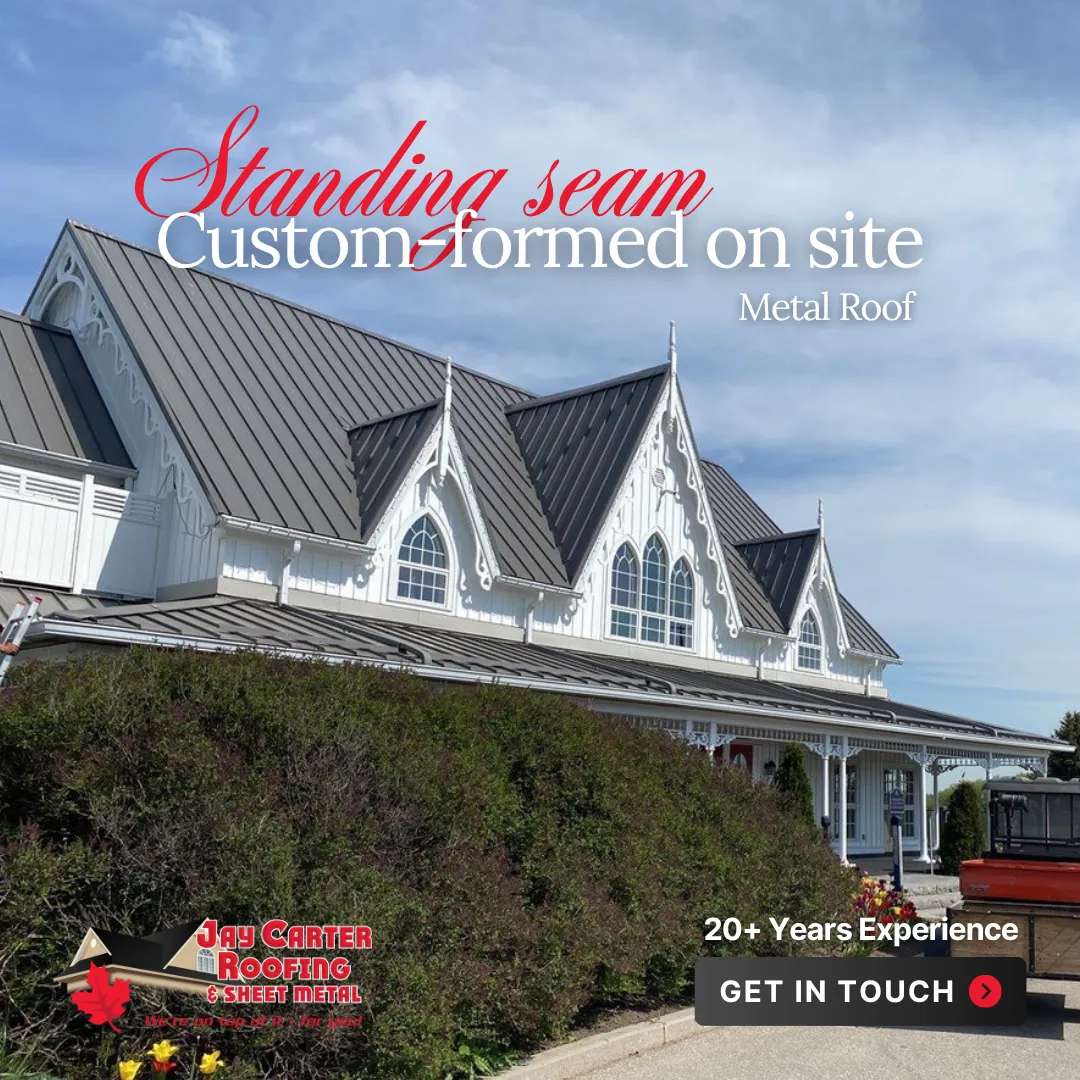
Metal roofing comes in a range of styles, including standing seam, corrugated panels, and metal shingles. Standing seam systems have sealed vertical joints that shed water effectively; corrugated panels offer an economical option for industrial facilities; and metal shingles deliver a traditional look while still providing the performance of metal.
4. Are there any financing options available for business owners needing metal roofing?
Many contractors and financial institutions offer financing options, payment plans, equipment loans, or leasing arrangements, to help manage the upfront cost. Owners should also look into available grants, tax incentives, or utility programmes that support energy-efficiency upgrades, which can help offset the initial cost.
5. What additional features can enhance the energy efficiency of a metal roof?
Insulated metal panels, rigid foam insulation, and high-reflectance coatings can all boost a metal roof’s energy performance. Together, they cut down on thermal bridging and solar heat gain, which lowers peak cooling loads and strengthens the building envelope overall.
6. Can metal roofs be installed over existing roofs?
In many cases, yes, metal roofing can be installed over an existing roof, as long as the structure can support it and it meets local codes. This approach can save on removal and disposal costs, but it does require a thorough inspection first to confirm the existing substrate can handle the extra layer.
7. What should I consider when choosing a metal roofing contractor?
Look for a contractor with proven experience in metal roofing installations, documented references, the right licensing and insurance, and clear warranty terms. Reviewing their project portfolio and client testimonials offers a clear sense of their workmanship and how closely they follow industry best practice.
Conclusion
Metal roofing delivers real, measurable benefits: greater durability, better thermal performance, and maintenance that is easy to predict, often enough to offset the higher upfront cost. It adds to a property’s value and lowers long-term operating costs through reduced energy use and fewer replacement cycles. For organisations looking for a durable, energy-efficient roof, the next step is to bring in an experienced advisory and installation team to assess the project and put the right system in place.


