

Metal Roofing Inspection Checklist for Homeowners: Essential Steps to Ensure Roof Longevity and Performance
By Jay Carter, Jay Carter Roofing & Sheet Metal
Routine maintenance of a metal roof is necessary for homeowners who seek to preserve service life and sustain system performance. Periodic inspections enable early detection of damage or wear that may otherwise lead to substantial repair or replacement costs. This guide provides a detailed inspection checklist and practical maintenance recommendations. Homeowners can apply these procedures to protect their asset and maximise roof longevity. Subsequent sections address inspection steps, primary components to examine, and indicators of damage or corrosion.
Key Takeaways
- Regular metal roof inspections twice a year help identify issues before severe weather causes damage.
- Inspect key components like fasteners, sealants, flashing, panels, and gutters for wear or corrosion.
- Properly installed and maintained fasteners and flashing prevent leaks and structural damage.
- Use a step-by-step approach including visual checks, ladder inspections, and interior leak assessments.
- Recognize signs of damage such as rust, loose fasteners, cracked sealants, dents, and flashing problems.
- Corrosion types like galvanic, localized, and rust affect metal roof longevity and require prompt attention.
- Routine cleaning and professional repairs extend metal roof lifespan and prevent costly future damage.
- Replace components showing severe damage or age-related wear to maintain roof integrity.
- Seek professional inspections after severe weather or if significant damage is observed for accurate assessment.
Essential Steps for Inspection:
A comprehensive metal roofing inspection comprises a sequence of established procedures that homeowners should prioritise. Adherence to this checklist supports sustained operational condition and early fault identification.
- Schedule Regular Inspections: Aim to conduct inspections biannually, ideally in the spring and fall, to catch any potential issues before severe weather exacerbates them.
- Document Findings: Keep a detailed record of the condition of your roof and any repairs performed to track its history and anticipate future needs.
- Use Proper Safety Gear: When inspecting your roof, use a sturdy ladder and appropriate safety equipment to prevent any accidents or injuries.
Consistent application of these procedures enables systematic monitoring and reduces the risk of progressive damage.
Key Components to Inspect:
Examination of individual roofing components is essential to evaluate overall system condition. The table below summarises the principal elements to assess during an inspection.
Routine inspection of these components sustains operational effectiveness and contributes to the extended service life of the metal roofing system.
Impact of Roof Fasteners and Flashing:
Fasteners and flashing are integral to a metal roof’s structural integrity. Correct fastener installation mitigates water ingress and maintains panel retention. Flashing installed at transitions and penetrations controls water flow away from vulnerable junctions. Failure of either element commonly results in leakage and can produce consequential structural deterioration.
Importance of Fasteners
Fasteners must be installed at specified spacing and feature effective sealing to preserve system performance. Improper installation or loss of sealing capability permits water intrusion into underlying assemblies.
Importance of Flashing
The condition and alignment of flashing directly affect roof watertightness. Degraded or misaligned flashing allows water to bypass intended drainage paths, creating probable leak locations. Regular verification of flashing integrity is required to maintain protection.
Step-by-Step Approach for Conducting the Inspection:
A structured inspection methodology improves efficiency and completeness. The following stepwise procedure provides a standardised framework for evaluating a metal roof.
- Visual Inspection: Start with a comprehensive visual assessment of the roof from the ground to identify any visible issues such as missing panels or rust.
- Use a Ladder for Closer Inspection: If safe, climb a ladder to inspect the roof more closely, checking for signs of wear or damage on each component.
- Check Interior for Signs of Leaks: Inspect the attic or interior ceilings for stains or mildew that might indicate leaking panels or faulty seals.
Execution of this sequence ensures systematic detection of defects and supports sustained protection of the roof assembly.
Identifying Signs of Damage and Corrosion:
Timely recognition of damage and corrosion indicators is essential to enable targeted repairs. Inspectors should observe the following conditions as part of routine assessments:
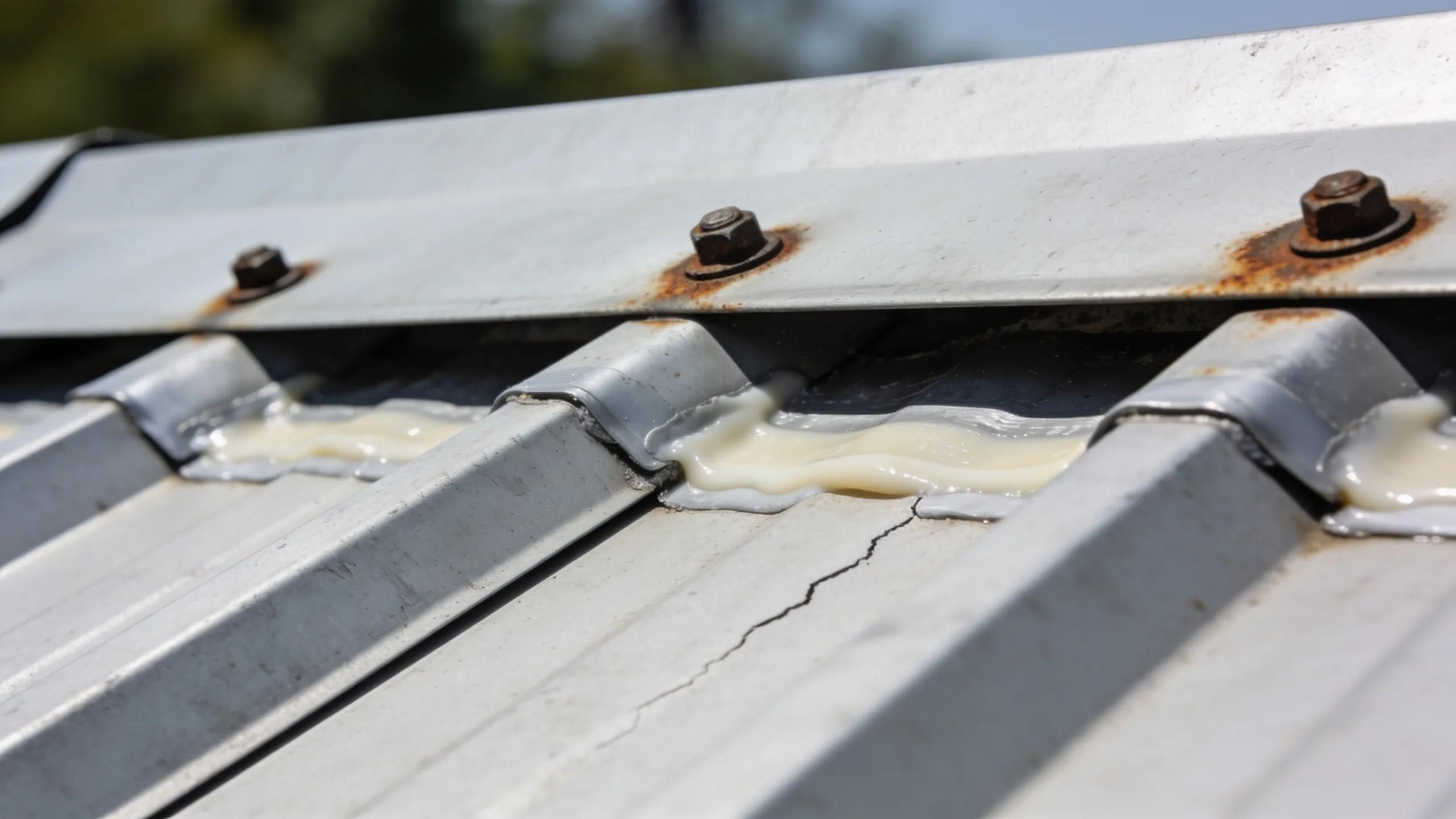
- Corrosion Spots: These can manifest as reddish-brown patches on metal surfaces, signaling rust development.
- Loose Fasteners: If fasteners appear loose or are missing, they must be addressed immediately to prevent leaks.
- Sealant Issues: Cracks or degradation in sealants around vents can lead to larger problems if not corrected.
Ongoing monitoring of these indicators reduces the likelihood of escalation and the associated cost of corrective action.
Common Signs of Metal Roof Damage and Corrosion:
Regular surveillance for characteristic signs of damage or corrosion supports prompt remediation. Critical indicators include the following:
- Visible Rust: Rust spots on the metal panels can quickly deteriorate and lead to leaks if not addressed.
- Dents and Dings: Physical damage from hail or falling debris may compromise the integrity of the roof.
- Flashing Problems: Issues with flashing alignment may direct water where it should not go, creating leak risks.
Identification of these conditions allows homeowners to initiate corrective measures that preserve roof integrity.
How Does Corrosion Manifest on Metal Roof Panels and Fasteners?
Corrosion may develop on panels and fasteners due to a range of exposure and material-interaction factors. Common manifestations include the following types:
- Galvanic Corrosion: Occurs when different metals come into electrical contact, leading to accelerated degradation of one component.
- Localized Corrosion: Can arise from environmental factors or the accumulation of moisture and debris in concentrated areas.
- Rust Development: This is the most recognizable type, often stemming from exposure to moisture and the absence of protective coatings.
Each corrosion type reduces expected service life and necessitates prompt remediation to maintain roof performance.
Effective Metal Roof Maintenance and Repair Strategies:
To extend service life, implement targeted maintenance and repair strategies, including the items listed below.
- Routine Inspections: Carrying out regular inspections ensures that potential issues are identified before they escalate.
- Cleaning Procedures: Keeping the roof free from debris and dirt will prevent corrosion and maintain its aesthetic appeal.
- Professional Services: Engaging a roofing contractor for complex repairs ensures that work is done correctly and safely.
Consistent implementation of these practices reduces the probability of significant future repairs and sustains system reliability.
When Is It Necessary to Replace Metal Roof Components?
Knowing when to replace metal roof panels is warranted under specific conditions that affect structural performance and safety. Common triggers include the following:
- Age of Roof: Metal roofs typically last 40-70 years, but replacing parts may be necessary sooner if significant damage occurs.
- Visible Damage: If panels show signs of severe corrosion or physical damage, those components should be replaced immediately.
- Regular Monitoring: Ongoing checks should reveal whether parts of the roof require replacement to maintain structural integrity.
Proactive component replacement preserves the roof’s longevity and operational reliability.
When Should Homeowners Seek Professional Metal Roof Inspection Services?
Engage professional inspection services under circumstances that exceed routine maintenance capabilities. Typical circumstances include the following:
- Signs of Severe Damage: If you observe major physical distortions, leaks, or corrosion, a professional evaluation is crucial.
- After Extreme Weather: Following storms or severe weather events, it’s wise to have a thorough inspection conducted.
- Failure of Regular Inspections: If your roof has not been inspected in years, professional services are critical to assessing its condition.
Retention of qualified professionals improves diagnostic accuracy and ensures that identified issues receive appropriate corrective action.
How Does Jay Carter Roofing Support Ontario Homeowners with Metal Roof Inspections?
Jay Carter Roofing augments the inspection process for Ontario homeowners through specialised services designed for metal roof systems. Their service scope includes the following areas:
- Professional Inspection Services: They conduct thorough evaluations to identify current and potential issues within metal roofing systems.
- Comprehensive Roof Evaluations: Detailed assessments ensure that all elements of the roof are scrutinized for maximum reliability.
- Customer Testimonials and Success Stories: Many homeowners have successfully improved their roof’s lifespan with the assistance of Jay Carter Roofing.
These services illustrate the value of professional intervention in preserving and enhancing metal roofing performance.
How Often Should Metal Roof Inspections Be Conducted in Ontario?
A well-planned metal roof inspection Ontario schedule follows a biannual baseline—commonly in spring and fall. Additional considerations include the following:
- Post-Severe Weather: Following intense storms or heavy snowfall, inspections should be prioritized to assess any damage.
- Factors Affecting Frequency: The local climate, age of the roof, and surrounding environment can all influence how often inspections should be scheduled.
Inspection frequency should be adjusted to local climatic conditions to maintain effective protection against weather-related degradation.
How to Schedule Regular Metal Roof Maintenance for Longevity?
Effective maintenance scheduling requires a planned, repeatable approach. Consider the following strategies when developing a maintenance programme:
- Establish a Schedule: Create a maintenance calendar that aligns inspections with seasonal changes.
- Inspection Frequency: Schedule inspections at least twice yearly, adjusting based on the age and condition of your roof.
- Key Maintenance Tasks: Identify and prioritize essential tasks such as cleaning, sealing, and evaluating the condition of fasteners and flashing.
Adherence to a structured maintenance programme materially improves roof longevity and operational performance.
Frequently Asked Questions
1. What are the typical signs that my metal roof needs immediate attention?
Immediate attention is required for visible rust, missing or loose fasteners, significant dents from debris, or interior water stains. These indicators frequently denote underlying failures that can progress to leaks and further structural deterioration. Implement a regular inspection regimen to limit escalation.
2. Can I perform the metal roof inspection myself, or should I hire a professional?
Homeowners may perform preliminary visual inspections; however, commissioning a qualified professional is recommended for comprehensive evaluation, particularly after severe weather or when significant damage is suspected. Professionals possess the skills and equipment to identify concealed defects and deliver an exhaustive condition assessment.
3. How does climate affect the maintenance and lifespan of a metal roof?
Climatic conditions materially influence metal roof service life. Regions with heavy snowfall, persistent precipitation, or extreme temperature variations accelerate corrosion, degrade sealants, and increase mechanical wear. Adjust inspection intervals and maintenance tasks to prevailing weather patterns to mitigate these effects.
4. What materials are commonly used in metal roofing, and how does it impact maintenance?
Common materials for metal roofing include steel, aluminum, and copper, each presenting distinct maintenance requirements. Galvanized steel warrants monitoring for general corrosion, aluminium offers improved resistance to rust but may exhibit localized corrosion, and copper requires different maintenance considerations. Accurate material identification informs appropriate maintenance protocols.
5. What is the importance of sealants in metal roofing, and when should they be replaced?
Sealants prevent water ingress at seams and joints and require scheduled inspection for cracking or deterioration. Replace compromised sealants promptly to prevent leaks and preserve the roof assembly’s structural integrity.
6. Are there specific maintenance practices recommended for older metal roofs?
Older metal roofs demand increased inspection frequency and targeted maintenance measures. Focus on identifying corrosion, verifying fastener security, and ensuring sealant integrity. Regular cleaning to remove debris and prevent moisture retention is essential to limit progressive deterioration and extend service life.
7. How can I enhance my metal roof’s energy efficiency?
To improve thermal performance, consider application of reflective coatings to reduce solar heat gain and verify that thermal insulation beneath the roof deck meets current standards. Routine cleaning and unobstructed drainage pathways further support energy efficiency and occupant comfort.
Conclusion
Regular inspections are fundamental to preventing costly repairs and extending a metal roof’s service life. Systematic monitoring of critical components enables homeowners to protect their investment and maintain system performance. Do not defer maintenance until damage becomes visible; prioritise scheduled inspections and consider professional inspection services tailored to metal roofing requirements.


