

Are Metal Roofs Noisy During Rain and Hail? Dispelling Common Ontario Roofing Myths
Few roofing myths persist as stubbornly as the belief that a metal roof turns every rainstorm into a drum solo. For Ontario homeowners weighing metal roofing against traditional asphalt shingles, the noise question is often the deciding factor — and it deserves a clear, factual answer rather than an assumption based on outdated construction methods.
This concern surfaces repeatedly during roofing consultations across the Greater Toronto Area, Newmarket, Barrie, and surrounding communities, where homeowners are increasingly comparing metal roofing to conventional asphalt shingle systems for long-term value. Ontario’s climate, marked by heavy snowfall, freeze-thaw cycles, and seasonal hailstorms, makes durability and comfort equally important considerations alongside noise. Understanding how a modern metal roofing system is actually engineered — rather than relying on impressions formed by older agricultural buildings — allows homeowners to make an informed decision grounded in the physics of sound transmission, not folklore.
The Myth of the Noisy Metal Roof
The perception of metal roofs as loud originates from a specific and largely obsolete application: metal panels installed directly over open rafters, with no solid decking, insulation, or underlayment beneath them. This construction method was common on barns, sheds, and older agricultural buildings, where sound transmission was never a design consideration. A modern residential metal roofing system bears little resemblance to that setup, yet the reputation has outlived the practice.
What Actually Determines Roof Noise
Sound transmission through any roofing material depends on the full assembly, not the surface layer alone. Acoustic engineers who study impact noise on building envelopes consistently point to the same conclusion: the surface material contributes only a fraction of what a homeowner ultimately hears indoors. The key factors include:
- Solid roof decking. Residential metal roofs are installed over plywood or OSB decking, which absorbs and dampens vibration before it can travel into the living space below.
- Underlayment. A synthetic or felt underlayment sits between the decking and the metal panels, adding another layer of sound and moisture protection.
- Attic insulation. Insulation in the attic space absorbs sound energy, significantly reducing what a homeowner hears indoors, regardless of roofing material.
- Panel structure and fastening. Properly fastened, structurally rigid panels resonate far less than loose or improperly secured sheeting.
When these components are in place, a metal roof performs comparably to asphalt shingles in terms of interior noise during rain or hail. Independent acoustic testing on residential roofing assemblies has repeatedly found that decking and insulation, not the exterior cladding, account for the overwhelming majority of sound attenuation. In practical terms, this means a homeowner standing inside a properly built home is unlikely to distinguish between a rainstorm hitting a metal roof and one hitting asphalt shingles, provided both roofs were installed to the same standard.
How a Properly Installed Metal Roof Compares to Asphalt Shingles
In a correctly installed residential system, the difference in rainfall or hail noise between a metal roof and an asphalt shingle roof is minimal from inside the home. Both roofing types rely on the same underlying structure — decking, underlayment, and insulation — to manage sound. The material on top is only one part of a much larger equation. Homeowners who have lived under both roofing types in Ontario’s four-season climate frequently report that once insulation and underlayment are accounted for, the noise difference is minimal — though not automatically zero, since panel type, fastening method, and roof pitch can still shift the sound profile at the margins. That makes it a factor worth weighing during the material selection process, even if it should not be a deciding one on its own.
Beyond sound, the comparison extends to durability and total cost of ownership. Asphalt shingles typically require replacement every 15 to 20 years in Ontario’s climate, with performance degrading under repeated freeze-thaw cycling, UV exposure, and wind-driven rain. Metal roofing systems, by contrast, are engineered for multi-decade service life and are less susceptible to granule loss, curling, and moisture infiltration over time. For homeowners evaluating the two materials side by side, the noise profile is only one data point among several — longevity, snow-shedding performance, and resistance to wind uplift all factor into a well-informed decision.
Insurance and warranty considerations reinforce this picture. Many metal roofing systems carry warranties of 40 to 50 years, compared with 20 to 30 years for standard asphalt shingle products, and some insurers in Ontario offer premium credits for impact-resistant roofing given metal’s stronger performance in hail and wind events. Homeowners weighing the two materials should factor these long-term ownership costs, not just noise, into a side-by-side comparison.
The Role of Proper Installation
Installation quality has more influence on rooftop noise than the roofing material itself. A metal roof installed without adequate decking, insulation, or underlayment will transmit more sound — just as a poorly installed asphalt roof can develop its own performance issues. Working with an experienced roofing contractor who follows manufacturer specifications and building code requirements ensures the full assembly is designed to manage sound, weather resistance, and durability together, rather than treating the metal panel as a stand-alone solution.
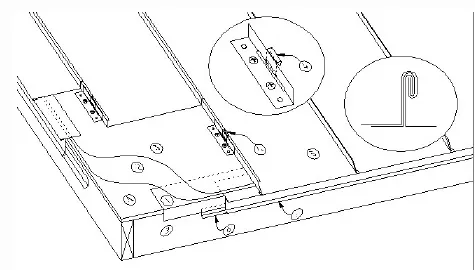
Fastening method also plays a measurable role. Panels secured with a concealed fastener system, such as standing seam metal roofing, allow for thermal movement without the panel flexing or vibrating against the structure below, which reduces noise transmission compared to loosely fastened or exposed-fastener systems. An experienced contractor will also verify that flashing, ventilation, and attic insulation depth meet Ontario building code requirements before panels are installed, since gaps in any one of these components can undermine the acoustic performance of an otherwise well-built roof. Homeowners should ask prospective contractors about their decking specifications, underlayment brand and thickness, and fastening method — the answers reveal far more about expected noise performance than the roofing material alone.
Additional Ontario Roofing Myths Worth Dispelling
Noise is not the only misconception surrounding metal roofing in Ontario. A few others worth addressing:
- “Metal roofs attract lightning.” A roof’s material does not increase the likelihood of a lightning strike; lightning is drawn to the highest point of a structure, regardless of what it is covered with.
- “Metal roofs are not suitable for cold climates.” Metal roofing is engineered to withstand freeze-thaw cycles, heavy snow loads, and ice, making it well suited to Ontario winters.
- “Metal roofing is too expensive to justify.” While the upfront investment is higher than asphalt shingles, metal roofing’s longevity and durability translate into a lower cost over the lifespan of the roof.
Conclusion
The idea that metal roofs are inherently noisy during rain and hail reflects outdated construction practices rather than the reality of a properly engineered residential system. With solid decking, quality underlayment, and adequate insulation, a metal roof performs on par with asphalt shingles for interior sound levels, while offering the added benefits of durability and long-term performance in Ontario’s demanding climate.


