
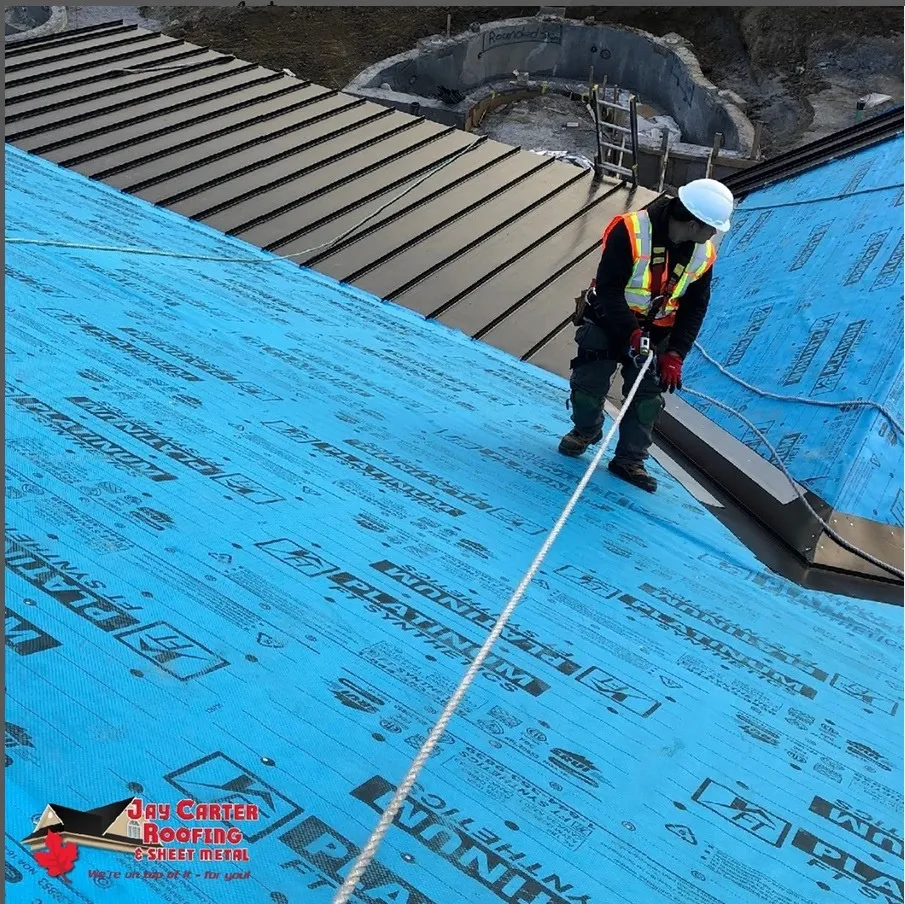

By Jay Carter, Jay Carter Roofing & Sheet Metal
More homeowners are choosing metal roofing because the performance numbers back it up. This guide walks through the core advantages of metal roofing—durability, lower lifecycle costs, energy performance, and design flexibility—so homeowners can weigh their options with real data in hand. It covers longevity, thermal efficiency, safety, appearance, cost, and installation, giving homeowners what they need to make an informed decision.
Key Takeaways
- Metal roofing offers exceptional durability, lasting 40 to 70 years, significantly outlasting asphalt shingles.
- Metal roofs reduce energy costs by 10% to 25% due to their reflective properties and energy efficiency.
- Steel, aluminum, and copper are common metal roofing materials, each with distinct benefits and suitable climates.
- Standing seam roofs provide superior durability and modern aesthetics compared to corrugated metal roofing.
- Metal roofing is fire-resistant, pest-resistant, and withstands extreme weather, enhancing home safety.
- Installation of metal roofs is faster and can be done over existing roofs, reducing labor and waste.
- Metal roofs are environmentally friendly, made from recycled materials and fully recyclable at end of life.
- Proper maintenance and warranties up to 50 years help maximize metal roof longevity and performance.
- Despite higher upfront costs, metal roofing offers long-term financial benefits through savings and increased property value.
Durability and Longevity

Metal roofing is valued for lasting far longer than conventional materials. It typically holds up for 40 to 70 years, compared with 15 to 30 years for asphalt shingles. That extended lifespan means fewer replacements and lower capital costs over time. Metal systems are built to handle high winds, heavy snow loads, and repeated temperature swings, and they hold up far better against cracking, warping, and other wear.
Cost Savings
Looking at metal roof cost over the long run, homeowners come out ahead thanks to lower maintenance needs and reduced energy bills. Metal roofs need less upkeep than conventional roofing systems, which keeps long-term maintenance costs down. Their reflective surface cuts cooling loads, typically saving 10% to 25% on energy costs. The roof’s long service life also helps boost resale value, adding to the overall return on the investment.
Looked at over its full lifecycle, metal roofing’s cost performance clearly outshines traditional materials.
What Are the Main Types of Metal Roofing Materials Available?
Homeowners have several metal roofing materials to choose from, each with its own properties that affect performance.
- Steel: Known for its strength and durability, steel roofing resists moisture, pests, and extreme weather conditions.
- Aluminum: Lightweight and resistant to corrosion, aluminum is ideal for coastal areas with salty air.
- Copper: This material ages beautifully, developing a green patina over time, adding unique character to homes.
The right material depends on the home’s environment, structural needs, and how much maintenance the homeowner wants to take on, all balanced against the look they’re after.
How Do Standing Seam and Corrugated Metal Roofs Differ?
Standing seam and corrugated panels are the two main metal roofing styles homeowners will come across.
- Standing Seam: Standing seam metal roofing features vertical panels that interlock, creating a sleek and modern appearance. Its design allows for greater expansion and contraction due to temperature changes, enhancing durability.
- Corrugated Metal: Featuring a wavy pattern, corrugated roofs are typically less expensive and easier to install. However, they may not offer the same level of weather resistance or longevity as standing seam options.
Weighing watertightness, how each style handles temperature-driven expansion, and expected service life helps homeowners pick the system that fits their needs.
Which Metals Are Commonly Used in Roofing: Steel vs. Aluminum?
Steel and aluminum are the two metals used in most roofing projects, thanks to their strength and cost profiles.
- Steel: Stronger and typically less expensive, steel is often galvanized to prevent rust. It’s suitable for various climates but requires maintenance to prevent corrosion.
- Aluminum: Lightweight and corrosion-resistant, aluminum is a great choice for coastal environments but usually comes at a higher price than steel.
The right choice comes down to budget, exposure to corrosion, and structural factors specific to the home.
How Does Metal Roofing Compare in Durability and Lifespan?
Metal roofing holds up better than most other roofing materials on the market. Installed correctly, it commonly lasts more than 40 years and can reach 70. Asphalt roofs, by comparison, need replacing far more often, which adds up in lifecycle costs. Metal roofs also stand up better to hail, high winds, and constant temperature changes.
What Is the Expected Lifespan of Metal Roofing Systems?
How long a metal roof lasts depends on the material and how well it’s maintained: steel systems typically run 40 to 70 years, and aluminum performs just as well with proper care. Regular inspections and simple upkeep—like catching corrosion early—stretch that lifespan further and keep long-term costs down.
How Does Metal Roofing Withstand Local Climate Conditions in Ontario?
Metal roofing holds up well against Ontario’s seasonal extremes. It sheds snow efficiently, which helps prevent ice damming, and its reflective surface cuts down on solar heat gain in summer, easing the load on cooling systems. That’s exactly the kind of performance homeowners in the region want from a roof.
Energy Efficiency

Energy efficient metal roofing performs well thanks to how it reflects sunlight and releases heat. By absorbing less heat, it lowers cooling costs and cuts utility bills, especially in warmer climates. Many metal roofing products now include cool-roof coatings that boost thermal performance without sacrificing style.
How Do Metal Roofs Contribute to Reduced Energy Consumption?
Most of the energy savings come from the roof’s reflective surface, which absorbs less solar radiation and keeps the roof deck cooler. That means less heat moves into the living space below, which lowers cooling costs and utility bills. Using less energy also means fewer emissions from power generation.
What Recent Data Supports Energy Savings from Metal Roofing?
Independent studies back up these savings. Research from cool-roof initiatives, for example, points to cooling-energy reductions of around 20% for homes with reflective roofing. For homeowners weighing energy efficiency, numbers like that make metal roofing hard to overlook.
Environmental Benefits
Metal roofing is a strong environmental choice: it’s made from a high percentage of recycled material and can be fully recycled at the end of its life, keeping it out of landfills. Because it also demands less energy to operate, its overall environmental footprint is smaller. It’s an easy choice for anyone who wants a roof that’s kind to the planet, not just their wallet.
What Are the Energy Efficiency Benefits of Metal Roofing?
Beyond lower bills, metal roofing’s reflective coatings and surface treatments cut down on both heating and cooling loads. Paired with good insulation and ventilation, this reduces reliance on non-renewable energy and helps lower a home’s overall emissions.
Aesthetic Appeal
Metal roofing comes in a wide range of finishes, colours, and profiles, so it suits everything from modern builds to more traditional homes. With so many surface treatments and colour options available, homeowners can match their roof to their home’s design without giving up performance—boosting both curb appeal and resale value.
Safety Features
Metal roofing is non-combustible and stands up well against pests like termites. These properties make homes safer and reduce risk compared with roofing materials that can burn or invite infestation.
Installation Benefits
Metal roofs generally go up faster, with less labour on site, and in many cases can be installed directly over an existing roof—cutting down on waste and shortening the project timeline. That adds up to lower installation costs and a smaller environmental footprint during a re-roofing project.
What Are the Installation Considerations and Local Service Advantages?
Working with a contractor who knows the local codes and climate conditions makes a real difference in how a metal roof performs. Choosing a contractor with real metal roof installation Ontario experience helps ensure the job meets local requirements and that help is close by if issues come up down the road. Homeowners looking into metal roofing GTA options, along with those in Newmarket and Barrie, can turn to local providers like Jay Carter Roofing & Sheet Metal for installation and ongoing service support.
Why Choose Local Roofing Services in GTA, Newmarket, and Barrie?
Local roofing providers understand the region’s climate challenges, building codes, and installation practices firsthand, which helps ensure a compliant, reliable roof. Being nearby also means faster response times for warranty work or service calls when they’re needed.
How Should Homeowners Approach Metal Roof Maintenance and Warranty Options?
Keeping a metal roof performing well for its full lifespan starts with a routine maintenance plan—regular inspections, clearing debris, and watching for early signs of corrosion. Homeowners should also read manufacturer and contractor warranties closely; some material warranties run as long as 50 years, but coverage and exclusions vary, so it’s worth reviewing the details before buying.
What Maintenance Is Required to Maximize Metal Roof Longevity?
Routine maintenance means checking fasteners and sealants, keeping gutters and drainage clear, and addressing any localized corrosion or seal issues early. Scheduled professional inspections help catch small problems before they become bigger ones, keeping the whole system in good shape.
What Warranty Terms Are Standard for Metal Roofing Systems?
Most manufacturers back their metal roofing with warranties covering material defects for 20 to 50 years, and some include limited labour coverage as well. Since terms vary by manufacturer and product, homeowners should read the fine print to understand exactly what’s covered.
What Is the Cost Analysis and Return on Investment for Metal Roofs?
Knowing what a metal roof costs upfront—and what it returns over time—matters for planning the investment. Installing a metal roof typically runs $10,000 to $15,000, more than a comparable asphalt job. But factoring in lower maintenance, a longer lifespan, energy savings, and a stronger resale value, metal roofing often pays for itself and then some over the life of the roof.
How Do Metal Roofing Costs Compare to Asphalt and Other Materials?
Metal roofing costs more upfront than asphalt shingles, but its durability and longer intervals between replacements bring overall costs down over time. Asphalt roofs need replacing and repairing more often, and those costs add up—something worth factoring into any real cost comparison.
What Are the Long-Term Financial Benefits and ROI for Homeowners?
The financial upside of metal roofing comes from lower operating costs, less spent on maintenance, and a potential bump in resale value. Add those up over the roof’s expected lifespan, and metal roofing usually comes out ahead financially, even with the higher price tag upfront.
Frequently Asked Questions
What are the maintenance requirements for metal roofs?
Metal roofs need very little upkeep, but they still benefit from scheduled inspections to keep them performing well. Homeowners should check for corrosion, clear away debris, and confirm that seams and fasteners are holding up. Regular professional inspections help catch and fix small issues before they grow.
How can homeowners enhance the energy efficiency of their metal roofs?
Homeowners can boost energy performance by choosing highly reflective materials or certified cool-roof coatings, making sure there’s enough insulation below the roof deck, and installing proper attic ventilation. Together, these steps cut down on heat transfer and improve the home’s overall energy efficiency.
Are metal roofs noisy during rain or storms?
Not when they’re installed correctly. The right underlayment, insulation, and attachment methods keep rain noise to a level comparable with any other roofing material.
What is the impact of color choice on metal roofing energy efficiency?
Colour makes a real difference: lighter shades reflect more sunlight and reduce cooling costs, while darker shades absorb more heat, which can help with heating in colder months. Homeowners should choose a colour that fits their climate and energy goals.
What financing options are available for homeowners considering metal roofs?
Homeowners have several ways to finance a metal roof, including personal loans, home equity lines of credit, contractor financing programs, and government incentives or rebates for energy-efficient upgrades. Since availability varies by location and provider, it’s worth comparing options based on cost and payback time.
How does the lifespan of a metal roof compare to other materials?
Metal roofs typically last 40 to 70 years, well beyond the 15 to 30 years homeowners can expect from asphalt shingles. Slate can last even longer—50 to 100 years—but comes with a higher upfront cost and greater structural demands. These differences matter when weighing total cost of ownership.
What are the environmental impacts of choosing a metal roof?
Metal roofing is a lower-impact choice: it’s made with a high share of recycled content, can be fully recycled at the end of its life, and needs less energy to keep a home comfortable thanks to its reflective properties. Together, these qualities mean less waste and a smaller carbon footprint than less durable roofing options.
Conclusion
Metal roofing offers homeowners a durable, energy-efficient, and recyclable option that can lower costs over time and add real value to a property. The right choice comes down to the material, expected lifespan, and warranty coverage. Homeowners should talk to a qualified contractor to make sure the installation meets performance standards and local building codes.


